
Find the Safety Answers You Need
Search our growing library of articles covering OSHA compliance, risk management, training, and workplace safety.
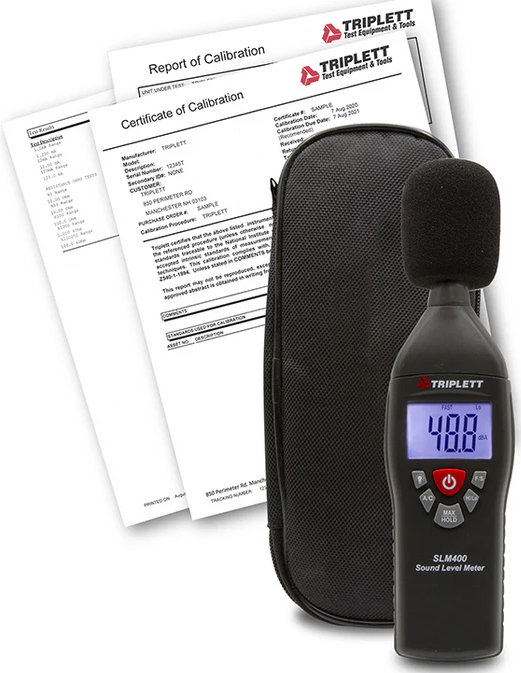
Sound Surveys and Noise Exposure: A Strategic Approach to Building an Accurate Hearing Conservation Program
Occupational noise exposure assessment is one of the most misunderstood and inconsistently executed components of an effective safety program. Many organizations default to a single method—either blanket personal dosimetry or broad area surveys—without fully understanding the strengths, limitations, and regulatory intent behind each.

Hearing Conservation 2.0: Moving Beyond Audiograms
For decades, OSHA’s Hearing Conservation Program (29 CFR 1910.95) has centered on annual audiograms—tests that measure how much hearing loss has already occurred.
While essential, audiograms are reactive. They can only tell you after damage has taken place.

Choosing the Right Earplug: An In-Depth Guide for Safety Professionals
Noise-induced hearing loss (NIHL) remains one of the most prevalent occupational illnesses in the United States, with over 22 million workers exposed to hazardous noise each year (NIOSH, 2023). Yet, despite robust Hearing Conservation Programs (HCPs), failures in selecting and fitting appropriate hearing protection devices (HPDs) still lead to preventable auditory damage.
Earplugs, as a form of insert-type HPD, are often the first line of defense. But the “one-size-fits-all” approach to earplug selection is dangerously outdated. To be effective, earplugs must match the noise environment, the anatomical characteristics of the user, task-specific risks, and even psychological and behavioral factors that affect use and compliance.
Failing the Fit Test: What It Really Says About Your Hearing Protection Program
When a worker fails a hearing protection fit test, it’s tempting to chalk it up to user error or a poor plug choice. But if several workers are failing the test, or if the same worker fails more than once, it’s not just about the plug. It’s a warning sign that your hearing protection program is out of balance.
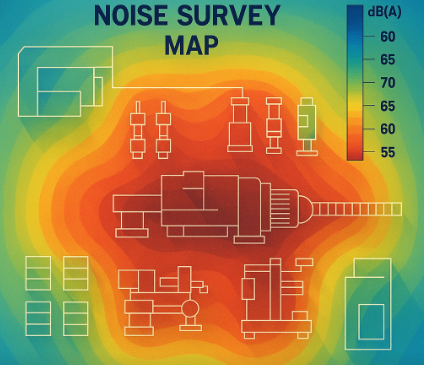
How to Conduct a Noise Risk Assessment and Select Hearing Protection That Actually Works
Noise-induced hearing loss is one of the most widespread occupational illnesses, and it’s irreversible. But it’s also preventable—if you’re using the right strategy. Too many organizations focus only on measuring noise and handing out earplugs. The real value comes from using data to make smart decisions about inclusion in a Hearing Conservation Program (HCP) and matching protection to risk.
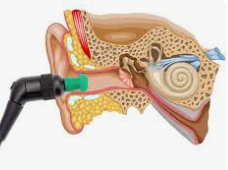
Rethinking Hearing Conservation: Why OSHA Should Replace Audiograms with Otoacoustic Emissions Testing
Workplace hearing loss is insidious. It doesn’t happen overnight, and by the time it shows up on a standard audiogram, the damage is already done—and permanent

Choosing the Right Earplugs: Understanding NRR and What It Really Means for Your Hearing
Protecting your hearing in noisy work environments is not just a best practice—it’s a necessity. Whether you're exposed to power tools, industrial equipment, or loud recreational settings like concerts or shooting ranges, selecting earplugs with the appropriate Noise Reduction Rating (NRR) can make the difference between long-term hearing health and permanent hearing loss.

Should We Modernize OSHA’s Hearing Loss Age-Correction Tables?
In a February 2024 interpretation letter, OSHA responded to an important question raised by clinicians from Premise Health: Should employers be allowed to use updated, NHANES-derived age-correction tables instead of OSHA’s outdated 1970s-era version in assessing age-related hearing loss for older workers? The answer, as OSHA laid it out, is nuanced—but undeniably significant for occupational health professionals striving for fairness and accuracy in hearing loss evaluations.

How to Handle Baseline Audiograms for Rehired Employees
When it comes to occupational hearing conservation, one often-overlooked challenge is managing audiometric testing for employees who return to the company after a gap in employment. Specifically, if a worker was previously terminated and then rehired two or three years later, how should their baseline audiogram be handled?