
Find the Safety Answers You Need
Search our growing library of articles covering OSHA compliance, risk management, training, and workplace safety.

Why Your Facility Needs an NFPA 1620 Pre-Incident Plan — And Why the Fire Department Must Help Build It
In the world of industrial safety, few documents carry as much practical weight as a well-executed pre-incident plan (PIP). When seconds matter during a fire, chemical release, or explosion, first responders don’t have time to “figure things out” on scene. That’s exactly why the National Fire Protection Association created NFPA 1620: Standard for Pre-Incident Planning.
What OSHA Really Requires in a Fire Prevention Plan—and How to Build One That Works
When it comes to workplace safety, fire is one of the most catastrophic risks. According to OSHA standard 29 CFR 1910.39, any workplace that is required to have a fire prevention plan must meet a specific set of criteria. While the regulation is brief, compliance—and actual effectiveness—requires deliberate planning, documentation, and ongoing attention.
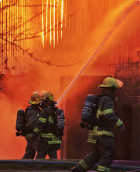
Choosing the Right Fire Brigade Level for Your Facility
Fire safety is a non-negotiable priority in every manufacturing environment—but not all facilities require the same level of emergency preparedness. The Occupational Safety and Health Administration (OSHA) recognizes multiple levels of workplace fire brigades, each with specific requirements related to training, equipment, documentation, and organizational commitment. Choosing the right level for your site involves balancing risk, regulatory requirements, and operational capabilities.

Why Regular Fire Pump Inspections Matter: A Guide to Frequency, Compliance, and Best Practices
When it comes to fire protection systems, the fire pump plays a critical role. It ensures that water pressure remains high enough to support sprinkler systems and hose standpipes during a fire emergency. However, like any piece of equipment, fire pumps must be regularly inspected to ensure they function when needed. Skipping or delaying these inspections can result in catastrophic failure at the worst possible time—during an active fire.
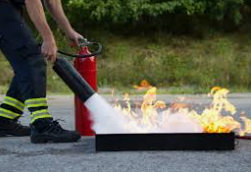
Why Hands-On Fire Extinguisher Training Is Essential for Fire Watch Personnel
In many industrial and construction settings, fire watch duties are a critical part of maintaining workplace safety—especially during hot work activities like welding, cutting, or grinding. Fire watch personnel are tasked with monitoring for signs of fire during and after such operations. While many employers provide general fire safety awareness, one crucial component is often overlooked: hands-on training with fire extinguishers.