
Find the Safety Answers You Need
Search our growing library of articles covering OSHA compliance, risk management, training, and workplace safety.
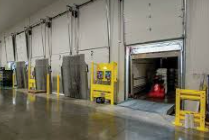
Forklift Trailer Entry Safety: Best Practices and Emerging Dock Technologies
When a forklift operator enters a trailer to load or unload goods, the risk of a catastrophic accident increases dramatically. A collapsed trailer, an unsecured dock, or even a miscommunication can lead to serious injuries or fatalities. This post outlines the essential safety steps every facility should follow—along with some of the latest technology designed to prevent dock disasters.

The Importance of Travel Direction on Ramps When Operating a Forklift with a Load
Operating a forklift on a ramp comes with heightened risk. Even a small misstep can result in tipping, load loss, or serious injury. One of the most important—and often misunderstood—rules is the direction a forklift should travel on a ramp when carrying a load.
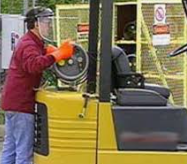
Forklift Fueling Safety: Batteries, Gas, and Diesel Done Right
Fueling a forklift—whether charging batteries or refueling with gas, diesel, or propane—is a high-risk task that must be done with safety top-of-mind. OSHA enforces strict standards for these operations, and understanding the specific requirements for each fuel type is essential. In addition to regulatory compliance, ergonomic practices and the right PPE are vital for protecting workers from chemical exposure, fire hazards, and musculoskeletal injuries.

When Does OSHA Require a Forklift Pre-Operation Inspection? Scenarios Explained
Forklifts are essential tools in warehouses, construction sites, and manufacturing facilities—but they're also heavy, powerful machines that can pose serious risks when not properly maintained. That’s why OSHA (Occupational Safety and Health Administration) mandates daily pre-operation inspections of powered industrial trucks (including forklifts) before they are put into service. But how often is “daily,” and how does this requirement apply in different real-world situations?