
Find the Safety Answers You Need
Search our growing library of articles covering OSHA compliance, risk management, training, and workplace safety.
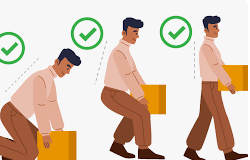
The Hidden Challenge: Assessing Low-Frequency Pushing, Pulling, and Lifting Hazards
When most people think about ergonomic hazards, they picture repetitive, high-frequency tasks—such as assembly line work or constant computer use. These are easier to evaluate because exposure levels and patterns are consistent and measurable.
But what about pushing, pulling, or lifting tasks that only occur occasionally?

Sprains, Strains, and the Tools to Stop Them Before They Start
Sprain and strain injuries are some of the most common—and costly—incidents in the workplace. These musculoskeletal disorders (MSDs) don’t just happen in heavy industry; they show up in offices, warehouses, healthcare, and construction. But simply reacting to these injuries isn’t enough. Today, safety professionals have access to a growing set of tools and evaluation methods to proactively identify risks and prioritize controls before workers get hurt.
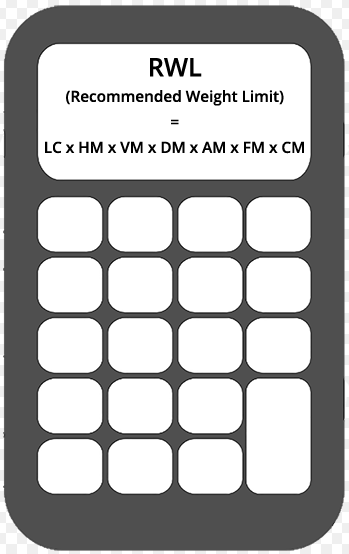
Understanding the NIOSH Lifting Equation: Practical Use for Safer Lifting in the Workplace
The NIOSH Lifting Equation is a scientific tool developed by the National Institute for Occupational Safety and Health (NIOSH) to help evaluate the safety of manual lifting tasks in the workplace. Whether it's a one-time lift or a highly repetitive task, the equation offers a structured way to assess the risk of musculoskeletal injury—especially lower back injuries, which are among the most common workplace injuries in physically demanding jobs.