
Find the Safety Answers You Need
Search our growing library of articles covering OSHA compliance, risk management, training, and workplace safety.

When Welding Turns a Non-Permit Confined Space Into a Permit-Required One
Welding is one of the most common tasks performed in confined spaces—yet it’s also one of the most misunderstood when it comes to permit requirements. A space that normally doesn’t require a permit under OSHA’s Confined Space standard (29 CFR 1910.146) can quickly change classification when hot work like welding enters the picture.
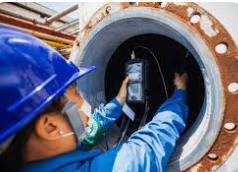
Rethinking Atmospheric Monitoring in Confined Spaces: A Risk-Based Approach
In confined space operations, it's standard practice to deploy four-gas monitors measuring Oxygen (O₂), Carbon Monoxide (CO), Hydrogen Sulfide (H₂S), and Lower Explosive Limit (LEL). While this approach provides a baseline safety measure, it may not address all potential atmospheric hazards specific to each confined space. Over-reliance on this standard configuration can lead to undetected dangers, as evidenced by various incident reports and studies.
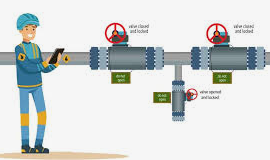
The Importance of Proper Isolation in Confined Space Entry: An OSHA Regulation Breakdown
Confined space work is one of the most hazardous tasks in many industries, with the potential for deadly accidents lurking in every step. One of the most critical steps in ensuring worker safety when entering a permit-required confined space is proper isolation. This requirement is clearly outlined in OSHA's 29 CFR 1910.146(d)(3)(iii), which mandates that employers must isolate the confined space from all hazardous energy, materials, and conditions before any worker enters.
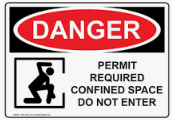
Do I Have to Use a Permit for this Confined Space?
Permit required confined space entries become complicated, time consuming, and expensive very quickly. Often times, setting up to complete a permit required confined space entry can take longer than completing the actual task within the confined space.