
Find the Safety Answers You Need
Search our growing library of articles covering OSHA compliance, risk management, training, and workplace safety.
Why Small Businesses Should Prioritize Safety Early: The Case for Adopting a Safety Management System
Starting a business is an exciting time filled with ambition, innovation, and a focus on growth. However, one critical area that is often overlooked by small or upstart companies is workplace safety. Many entrepreneurs assume that formal safety systems are only necessary once a company scales or enters high-risk industries. In reality, adopting a Safety Management System (SMS) or consulting with a safety professional early in the process can save lives, reduce liability, and lay a stronger foundation for sustainable growth.
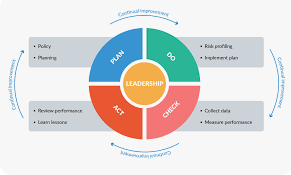
The Importance of Quality Data for Continuous Improvement in Safety Management Systems
In the world of occupational safety, the phrase “you can’t improve what you don’t measure” holds especially true. But not all measurements are created equal. For a Safety Management System (SMS) to mature and evolve, it must be built upon quality data—data that not only reflects the current state of the organization but also points to where risk lives and where interventions can make a measurable difference. Unfortunately, many organizations still rely heavily on lagging indicators, or worse, adopt misleading pseudo-leading indicators that offer the illusion of progress while concealing critical system weaknesses.

Encouraging Safety Communication in the Workplace: Processes Aligned with ISO 45001
Effective safety communication is essential for maintaining a strong safety culture and preventing workplace incidents. When employees feel comfortable reporting hazards, sharing concerns, and discussing safety openly, organizations can proactively address risks before they lead to accidents.