
Find the Safety Answers You Need
Search our growing library of articles covering OSHA compliance, risk management, training, and workplace safety.
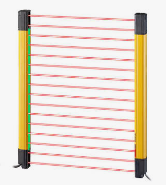
A Technical Guide to Safety Light Screens: Selection, Design, and Implementation
Safety light screens are among the most widely used presence-sensing safeguarding devices in modern manufacturing. When properly selected and integrated into a machine’s control system, they allow employees to safely interact with equipment while maintaining productivity. When poorly designed or incorrectly installed, however, they can create a false sense of security and leave workers exposed to serious hazards.
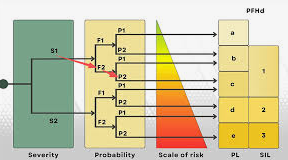
When Is Safety Performance Level Calculation Required?
Machine safety has changed dramatically over the last several decades. The days of relying solely on hard guarding and administrative controls are over. Modern manufacturing increasingly depends on safety-related control systems to reduce risk while maintaining productivity. Light curtains, interlocked guards, safety PLCs, safe torque off circuits, pressure-sensitive mats, laser scanners, and two-hand controls are now common in industrial environments.
But as these systems become more advanced, one critical question emerges:
How do you prove the safety system is reliable enough to protect workers?
That is where Safety Performance Level calculations come into play.

Designing Pneumatic Systems with Adequate Safety Performance for Robot Cells
Integrating pneumatic components into robotic work cells presents both opportunities and risks. While pneumatic actuators and valves are essential for tasks like clamping, positioning, or tooling, they must be designed with safety in mind—especially when used in collaborative or hazardous robot operations. To ensure worker protection and regulatory compliance, these systems must achieve a Safety Performance Level (PL) appropriate for their risk—often PL d or PL e.
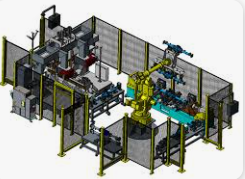
Safety Devices for Robot Cells: Key Components and Their Role in Achieving Performance Levels (PL)
Safety is a critical consideration when designing robot cells, especially as the integration of robotics into industrial processes continues to increase. Ensuring that robot cells are equipped with the right safety devices is essential not only for the protection of human workers but also for compliance with international safety standards. Safety devices such as safety sensors, emergency stop systems, light curtains, and guarding systems work together to ensure that the robot cell operates safely and minimizes the risk of accidents.
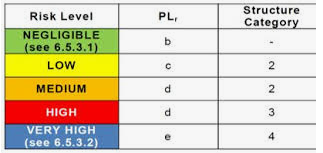
How to Calculate Performance Levels for Robot Cells: A Step-by-Step Guide
Calculating Performance Level (PL) for safety systems in robot cells is a critical part of ensuring the safety and reliability of automated systems. Performance Level (PL) determines the risk reduction capability of a safety system, ensuring that the likelihood of a dangerous failure is minimized. Accurate PL calculations are necessary to ensure that robot cells are compliant with safety standards such as ISO 13849-1 and IEC 62061 while also protecting workers from potential hazards.

Understanding Performance Level (PL) and Its Importance in Safety Systems
In the context of industrial automation, safety is paramount, particularly in environments that involve robots, automated machines, and other high-risk machinery. As automation continues to advance, the risks associated with these technologies are becoming more complex, and so are the safety standards designed to mitigate them. One of the most critical safety concepts is Performance Level (PL), a crucial element in determining the effectiveness of safety devices and systems