
Find the Safety Answers You Need
Search our growing library of articles covering OSHA compliance, risk management, training, and workplace safety.
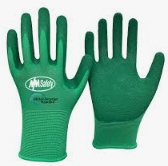
Glove PPE Selection: A Practical, Standards-Based Method for Getting It Right
Hand injuries are often treated as “unavoidable” because cuts, punctures, chemicals, and heat show up everywhere. In reality, most glove failures trace back to one of three problems: the wrong performance rating was chosen, the glove material was incompatible with the chemical or exposure conditions, or the glove was used beyond its real service life. OSHA is explicit that employers must select and require appropriate hand protection when hands are exposed to hazards such as cuts, punctures, chemical burns, and temperature extremes, and that selection must be based on performance characteristics relative to the task, conditions, duration, and hazards identified

Why Task Based Risk Assessment Is the Foundation of Defensible PPE Decisions
Many organizations still “standardize” PPE by department or job title, then hope that coverage is sufficient. OSHA’s PPE framework pushes employers in a different direction: assess for hazards, then select PPE that protects employees from the hazards identified. In general industry, OSHA explicitly requires the employer to assess the workplace for hazards that necessitate PPE and to select PPE that protects the employee from those hazards.

Why PPE Fails — and What Your Team Isn’t Telling You
Personal protective equipment (PPE) is often the last line of defense on the jobsite. It’s issued, required, and in many cases, checked off on a safety form. But here’s the uncomfortable truth: PPE doesn’t always get worn the way we think it does—and the real reasons why are rarely written in any incident report.