
Find the Safety Answers You Need
Search our growing library of articles covering OSHA compliance, risk management, training, and workplace safety.

A Technical Guide to Safety Light Screens: Selection, Design, and Implementation
Safety light screens are among the most widely used presence-sensing safeguarding devices in modern manufacturing. When properly selected and integrated into a machine’s control system, they allow employees to safely interact with equipment while maintaining productivity. When poorly designed or incorrectly installed, however, they can create a false sense of security and leave workers exposed to serious hazards.

OSHA Lockout/Tagout Retraining: What “Change” Really Means Under 1910.147(c)(7)(iii)(A)
The retraining trigger in OSHA’s lockout/tagout (LOTO) standard is often misunderstood. Many programs treat retraining as periodic or annual. That is not what the regulation requires. The obligation is event-driven, and the key word driving that obligation is “change.”

When Lockout Isn’t Feasible: Understanding Alternate Methods of Energy Control
On October 21, 2024, OSHA issued a letter of interpretation titled “Lockout/Tagout (LOTO) Feasibility and ‘Alternative Methods’”.In that letter, OSHA addressed a question concerning when power must remain required for set-ups or change-over tasks (e.g., inching/jogging operations) and whether a true “alternative method” to energy isolation was allowed.

Lockout/Tagout in the IoT Era: Smart Devices that Prevent Human Error
Lockout/Tagout (LOTO) procedures save lives.
Yet despite decades of regulation under OSHA 29 CFR 1910.147, failures remain a top cause of serious workplace injuries and fatalities.
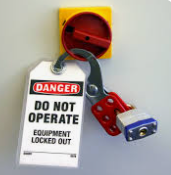
Alternate Methods to Lockout that OSHA May Treat as De Minimis
Lockout remains OSHA’s preferred way to control hazardous energy. That said, OSHA does allow very narrow use of alternate methods in specific situations. When those alternates clearly provide protection equal to or greater than strict, prescriptive compliance, OSHA may classify the deviation as a de minimis condition.

Digital Lockout/Tagout: Is Paper-Based LOTO Still Defensible in 2025?
Lockout/Tagout (LOTO) procedures are one of the last bastions of analog safety compliance. While nearly every other part of workplace safety has seen digital upgrades—training, incident tracking, inspections—most companies still manage energy control procedures using binders, tags, and checklists.

When Lockout Isn't an Option: OSHA Clarifies “Alternative Methods” in 2024 Interpretation
The U.S. Occupational Safety and Health Administration (OSHA) has issued a significant letter of interpretation (LOI) dated October 21, 2024, clarifying how employers must handle service and maintenance tasks that require machine power — and how far they can rely on so-called “alternative methods” under the Lockout/Tagout (LOTO) standard, 29 CFR §1910.147.
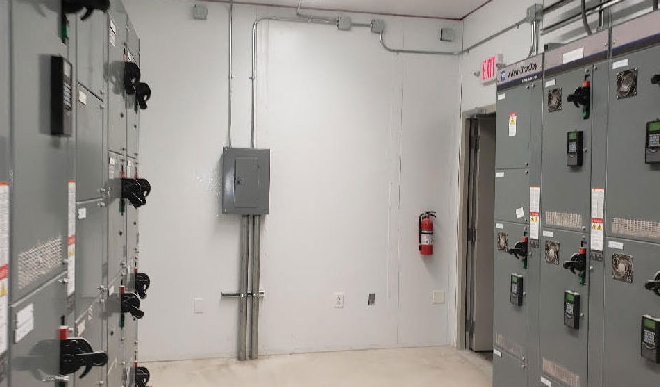
Substation Safety: How to Lock Out Breakers Before Downstream Work
Locking out a substation breaker before working on downstream electrical equipment isn’t just a box to check—it’s a critical life-safety process. Substations often involve high-voltage systems capable of delivering lethal incident energy. Failing to isolate power sources or skipping verification steps can result in fatal arc flashes or severe equipment damage. This guide outlines a proper lockout/tagout (LOTO) procedure with practical considerations for real-world application.
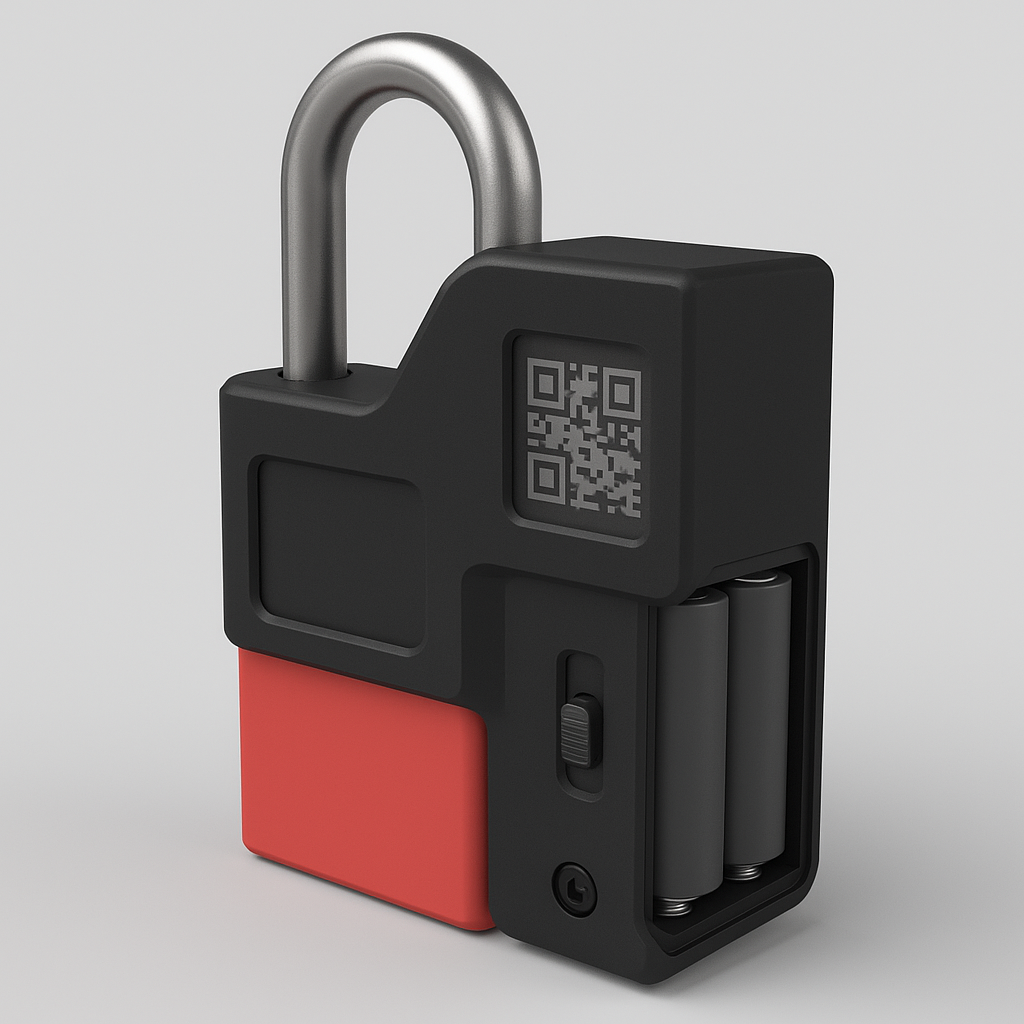
IoT-Enabled Lockout/Tagout: The Future of Workplace Safety
The Internet of Things (IoT) is revolutionizing traditional Lockout/Tagout (LOTO) systems by introducing smart, connected devices that enable real-time monitoring, remote access, and automated compliance tracking
What Can be Used as a Lockout Device?
There are many products on the market that are designed for the purpose of being a lockout device in specialized situations, but what if you don’t have them available? What are the requirements?