
Find the Safety Answers You Need
Search our growing library of articles covering OSHA compliance, risk management, training, and workplace safety.
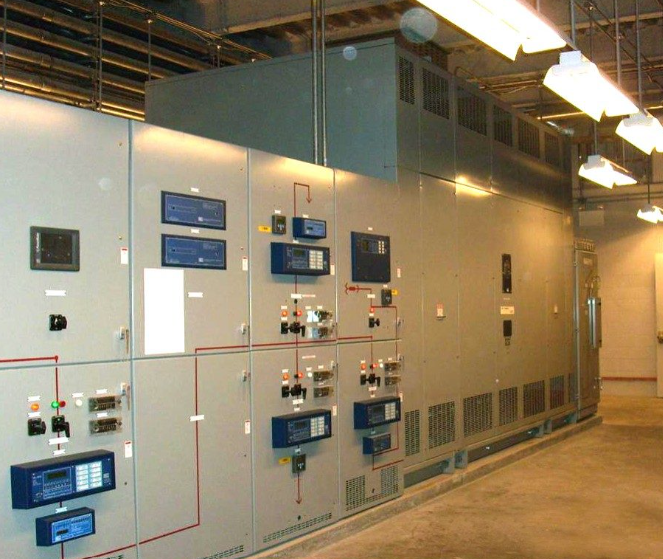
Electrical Substation Work: OSHA Requirements vs. Industry Best Practices
Electrical substations present one of the highest-risk environments in general industry. The hazard profile extends well beyond typical facility electrical work due to high fault current, arc flash energy, induced voltage, and step and touch potential exposure. This article breaks down what is legally required under OSHA versus what is considered best practice under consensus standards such as NFPA 70E, ANSI, IEEE, and ISO. The focus is on training, qualification, voltage classifications, PPE, tools, rescue requirements, risk assessments, and controls.

CPR Training Requirements for Working in an Electrical Substation
Electrical substations are among the most hazardous work environments. Exposure to high voltage and arc flash means that if an incident occurs, survival may depend on immediate cardiopulmonary resuscitation (CPR). Both OSHA regulations and NFPA standards require that CPR-trained personnel be available whenever employees are exposed to electrical hazards.

Why Electricians Must Carefully Inspect Their Rubber Gloves—And How to Do It Right
For electricians, rubber insulating gloves are often the last line of defense between life and death. They're not just another piece of PPE. They're critical safety equipment designed to prevent electrical current from traveling through the body. But even the best gloves can fail if they’re damaged, contaminated, or improperly tested.
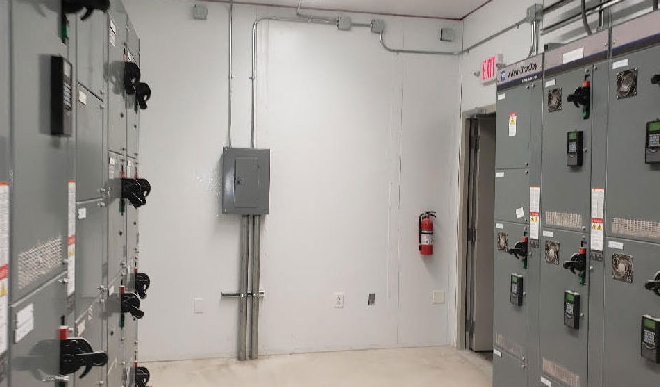
Substation Safety: How to Lock Out Breakers Before Downstream Work
Locking out a substation breaker before working on downstream electrical equipment isn’t just a box to check—it’s a critical life-safety process. Substations often involve high-voltage systems capable of delivering lethal incident energy. Failing to isolate power sources or skipping verification steps can result in fatal arc flashes or severe equipment damage. This guide outlines a proper lockout/tagout (LOTO) procedure with practical considerations for real-world application.